
If you want a crime drama mystery thriller series that gets to the hook fast, these short thrillers are the easiest place to start. Pick the prison story if you like corruption and undercover danger, the twin-identity story if you want revenge and deception, or the domestic murder story if you prefer suspects, affairs, and evidence that changes the case. The best choice depends less on "which is darkest" and more on the kind of tension you enjoy watching.

Undercover Prison King for a Criminal Conspiracy
Choose this one when you want a tense setup with danger built into the location itself. A prison thriller works best when the lead cannot simply walk away, and this story uses that pressure well: every locked door, guard order, and inmate interaction can become part of the threat.
It is a stronger fit for viewers who like darker institutional crime rather than a lighter puzzle mystery. If you usually enjoy stories about hidden power, abuse of authority, and people trapped inside a corrupt system, this is the most direct pick.
A prison owner goes undercover
The hook is simple but effective: the prison owner enters his own facility undercover to find out what is happening from the inside. That makes the investigation risky right away, because he cannot rely on his status once he is posing as someone with less control.
This setup also gives the mystery a useful limit. He can observe things that outsiders would miss, but he also has to hide what he knows. That tension makes small conversations matter, especially when a guard, inmate, or staff member seems to notice too much.
Corrupt guards run a crime ring
The most unsettling part is that the people meant to enforce order may be the ones profiting from the chaos. When guards control access, punishment, and information, corruption is not just a side plot; it changes the rules of the whole prison.
- Watch for who controls movement: doors, transfers, and isolation can reveal power.
- Notice who stays silent: fear often says more than open accusation.
- Question "official" explanations: in this kind of story, procedure can hide abuse.
Protecting inmates puts him at risk
The story becomes more than an undercover mission once vulnerable inmates are in danger. If he acts too soon, he may expose himself; if he waits too long, someone else pays the price. That moral pressure is what makes the series work as a thriller, not just a conspiracy plot.
Sisterhood of Lies: Pledge for Revenge for Deception and Murder
This is the better pick if you like emotional suspense built around identity, grief, and revenge. Instead of focusing on a closed institution, it puts the danger inside a social circle where people know each other's habits, secrets, and weaknesses.
It suits a different viewing mood from the prison thriller. If you want a story where one wrong answer, awkward pause, or remembered detail can ruin everything, the twin-identity setup gives the series a sharper, more personal kind of tension.
A hazing incident turns deadly
A deadly hazing incident gives the story its first question: what really happened, and who helped keep it quiet? Hazing stories often depend on group loyalty and fear of exposure, so the mystery is not only about one culprit. It is also about who protected the lie afterward.
June takes her twin's identity
June's decision to take her twin's identity is the engine of the suspense. She is not just pretending to be someone else for convenience; she is stepping into a life where every relationship can test her. A friend might ask about a private memory, a rival might notice a changed habit, and a guilty person may try to provoke a mistake.
This makes the series a good choice for a quick binge rather than distracted background viewing. If you watch short episodes during a commute or lunch break, pay attention to names and relationships early, because identity thrillers can become confusing if you miss the first clues.
Suspicion threatens her revenge plan
The revenge plot stays tense because June is never fully safe inside the role she has chosen. Suspicion can come from someone hostile, but it can also come from someone who cared about her twin and senses that something feels wrong. That gives the story an emotional edge: the better June lies, the closer she gets to the truth, but the more fragile her plan becomes.
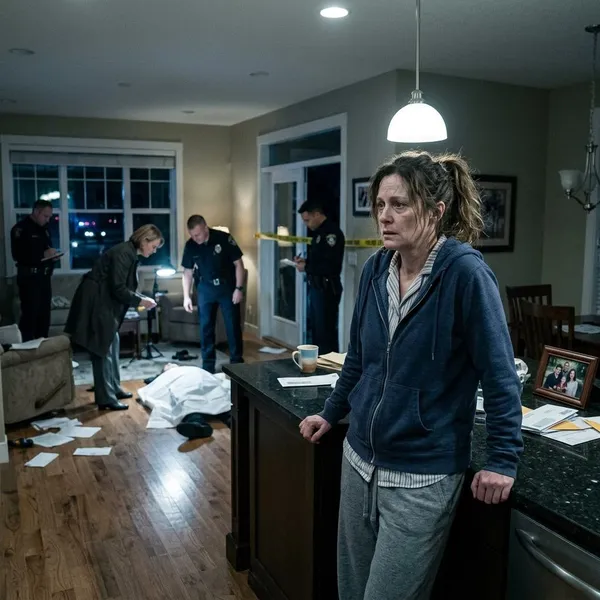
My Husband's Mistress Is Dead for a Domestic Murder Mystery
This title is the most intimate of the three because the crime grows out of marriage, betrayal, and suspicion. Domestic murder mysteries can feel especially tense because the setting is familiar: a home, a relationship, a routine, and then one death that makes every private lie look dangerous.
Pick this one if you prefer motive-driven suspense over action-heavy danger. It is the kind of story where the most important clue may not be a chase or confrontation, but a timeline, a look, a deleted message, or a piece of footage that does not quite match what someone claimed.
A murder exposes an affair
The murder does not simply start a case; it drags an affair into the open. That instantly changes how everyone is judged. A private betrayal becomes possible motive, a hidden meeting becomes evidence, and emotional reactions become harder to read cleanly.
For viewers who like relationship drama mixed with crime, this is the main appeal. The mystery is not floating above the characters' lives. It cuts straight into marriage, reputation, jealousy, and trust.
The husband becomes a suspect
Once the husband becomes a suspect, the story gains a clear pressure point. The useful question is not only "did he do it?" but also "what is he still hiding?" In domestic thrillers, a character can be innocent of murder while still lying about something that matters.
Security footage raises new doubts
Security footage sounds like it should settle the case, but thrillers often use it to do the opposite. A camera can confirm timing or location, yet still miss context, motive, or what happened just outside the frame.
That makes this a good choice if you enjoy evidence-based twists. The practical way to watch is to treat footage as a clue, not a final answer. If a scene seems too neat, it probably deserves a second look.
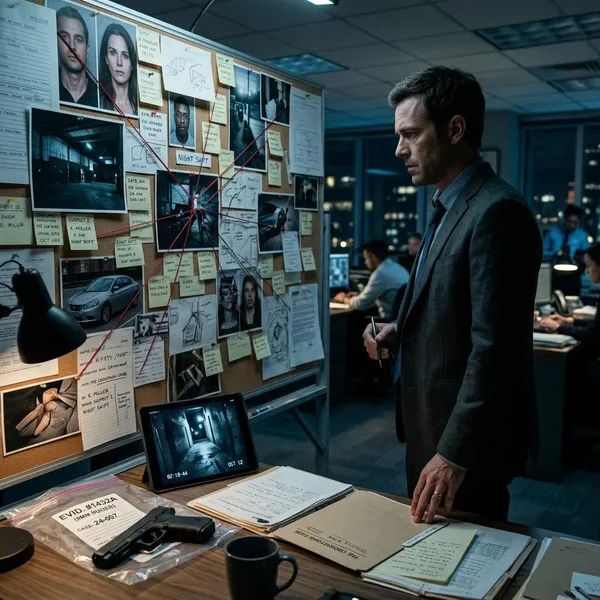
How Crime, Mystery, and Thriller Elements Work Together
These titles work because each one uses crime, mystery, and thriller pressure for a different job. Crime gives the story consequences, mystery gives you something to question, and thriller pacing makes waiting dangerous. When one of those pieces is weak, a short drama can feel either too obvious or too rushed.
Crime creates personal stakes
Crime matters most when it hurts someone the lead cannot ignore. In these stories, the stakes are not abstract: inmates may be abused, a sister may be dead, and a marriage may be tied to murder. That personal connection keeps the plot from feeling like a simple guessing game.
Hidden clues build the mystery
Good short mysteries cannot spend too long hiding everything, so the best clues tend to be small and early: a strange reaction, a missing detail, a contradiction, or a piece of evidence that seems useful but incomplete. If you like solving along with the story, avoid skipping opening episodes, because short dramas often plant their key context quickly.
Growing danger drives suspense
Suspense comes from escalation. The lead is not just collecting clues; the situation becomes less safe as the truth gets closer.
- Low-risk viewing mood: choose the domestic mystery if you want suspicion and clues more than physical danger.
- Higher-tension mood: choose the prison conspiracy if you want intimidation, control, and immediate threat.
- Identity-pressure mood: choose the revenge story if you enjoy lies that can collapse at any moment.
Where to Watch These Crime and Mystery Short Thrillers
The safest viewing choice is the official platform rather than random clips or reposted episode fragments. That matters more for mystery thrillers than for many other genres, because a missing scene or weak subtitle can make a clue feel confusing instead of clever.
ReelShort's official website and app
ReelShort's official website and app are the most practical places to check these titles because official listings are more likely to keep episodes in sequence, maintain better video quality, and provide clearer subtitles.
- Confirm the exact title. Some short dramas circulate under similar translated names.
- Read the short synopsis. Match the hook to your mood: prison, identity revenge, or domestic murder.
- Start from episode one. Early scenes often carry the setup for later twists.
- Use the clearest subtitles available. One line can change how a motive or timeline reads.
Conclusion
Start with the story that matches the kind of tension you actually want: prison corruption for a darker conspiracy, twin identity for revenge built on deception, or a domestic murder case for suspicion and evidence. Short thrillers are at their best when the hook is clear, the clues are easy to follow, and the danger keeps tightening without dragging the story out.